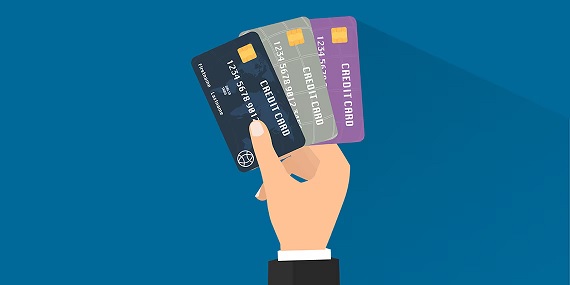
In today’s modern society, credit cards have become an essential financial tool that offers convenience, security, and various benefits to consumers. One question that often arises is, “How many credit cards should you have?” Let’s delve into this topic and explore the factors to consider when determining the ideal number of credit cards for your financial situation.
Understanding Credit Card Usage
Before deciding on the number of credit cards to have, it’s crucial to understand how credit cards work and their potential benefits. Credit cards allow you to make purchases on credit, which you can pay off at a later date. They also offer perks such as cashback rewards, travel miles, and purchase protections.
Factors to Consider
When determining the optimal number of credit cards for your needs, several factors come into play:
- Credit Score
Having multiple credit cards can impact your credit score. Each new credit application results in a hard inquiry on your credit report, which can temporarily lower your score. However, having a mix of credit types, including credit cards, can improve your credit score over time.
- Financial Discipline
If you struggle with overspending or managing multiple credit card accounts, having too many cards can lead to debt problems. It’s essential to have the discipline to pay off your balances in full each month to avoid accumulating high-interest charges.
- Rewards and Benefits
Different credit cards offer various rewards and benefits, such as cashback, travel perks, and insurance coverage. By strategically choosing credit cards that align with your spending habits and lifestyle, you can maximize the benefits you receive.
- Utilization Rate
Your credit utilization rate, which is the amount of credit you use compared to your total available credit, plays a crucial role in determining your credit score. Having multiple credit cards can help lower your utilization rate as long as you keep your balances low and make timely payments.
Recommended Number of Credit Cards
While the ideal number of credit cards varies for each individual, a general recommendation is to have at least two to three credit cards. Having multiple cards can provide flexibility in terms of payment options, rewards, and backup in case one card is compromised or has issues.
However, it’s essential to strike a balance and not have too many credit cards that you can’t effectively manage. Consider your financial discipline, credit score goals, and spending habits when deciding on the number of credit cards to have.
Managing Multiple Credit Cards
If you decide to have multiple credit cards, here are some tips to manage them effectively:
- Set up automatic payments to ensure you never miss a payment.
- Monitor your credit card balances and due dates regularly to avoid overspending and late payments.
- Take advantage of budgeting tools and apps to track your spending and stay within your budget.
- Consider consolidating balances onto a single card with a lower interest rate or balance transfer offers to save on interest charges.
Final Thoughts
In conclusion, the number of credit cards you should have depends on your financial goals, credit score, and spending habits. While having multiple credit cards can offer benefits and flexibility, it’s essential to be mindful of your financial discipline and ability to manage multiple accounts effectively.
Ultimately, the key is to find the right balance that helps you maximize the benefits of credit cards while staying on top of your finances. By weighing the factors mentioned above and considering your individual circumstances, you can choose the optimal number of credit cards that work best for you.